

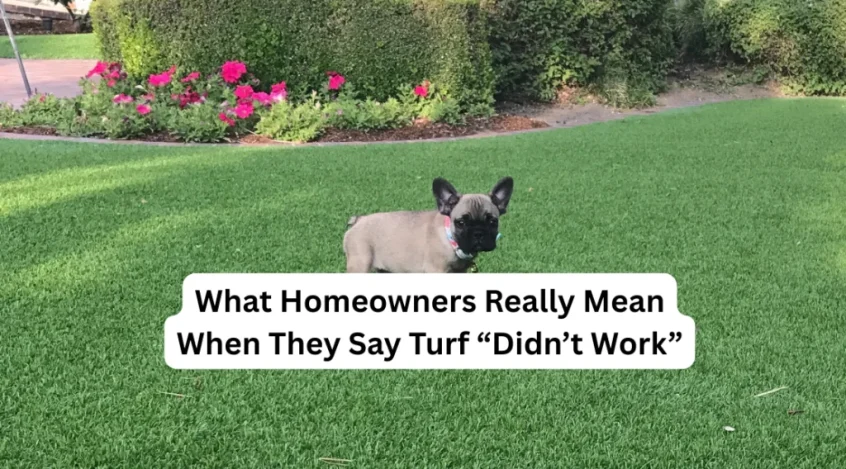
When homeowners say artificial turf “didn’t work,” they’re usually not describing a single, specific issue.
Instead, that phrase tends to reflect a mix of expectations, performance concerns, and how the yard functions in everyday use.
Understanding what people actually mean by “didn’t work” helps separate perception from the underlying cause — and often reveals that the issue is preventable.
When artificial grass doesn’t meet expectations, the root cause is often related to installation, drainage, or product selection. For a full breakdown of common issues and how to prevent them, see our guide to common problems with artificial grass and how to avoid them.
“It Doesn’t Drain Well”
One of the most common frustrations homeowners express is poor drainage.
When someone says turf “didn’t work,” they often mean:
-
Water pools after rain
-
The surface stays damp
-
Pet areas don’t dry quickly
In most cases, this is not a problem with the turf itself — it’s a result of how the base and drainage system were installed.
Artificial grass relies on proper grading and a well-prepared base to move water efficiently.
“It Started Smelling”
Odor complaints — especially in pet households — are another frequent reason homeowners feel dissatisfied.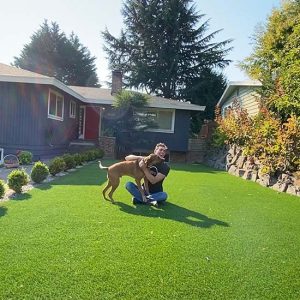
What this usually means:
-
Pet waste isn’t draining properly
-
Moisture is being trapped beneath the surface
-
Cleaning routines aren’t aligned with usage
Artificial grass doesn’t inherently create odor, but poor drainage or lack of rinsing can lead to buildup over time.
“It Feels Hard or Uncomfortable”
Sometimes homeowners say turf “didn’t work” because it doesn’t feel the way they expected.
This can refer to:
-
A surface that feels too firm
-
Lack of cushioning
-
A different texture than natural grass
Comfort is heavily influenced by what’s underneath the turf — including base preparation and infill — not just the turf fibers themselves.
“It Looks Fake”
This is often less about performance and more about perception.
When homeowners say turf looks fake, they may be reacting to:
-
Older turf styles they’ve seen before
-
Poor installation or visible seams
-
Unrealistic expectations of natural variation
Modern residential turf has improved significantly, but expectations still play a major role in how it’s perceived.
“It Didn’t Hold Up”
Durability concerns are another common interpretation of “didn’t work.”
This may include:
-
Flattening in high-traffic areas
-
Wear in pet zones
-
Edges loosening over time
These issues are often tied to:
-
Product selection
-
Traffic levels
-
Installation quality
Not all turf is designed for the same use, and matching the product to the yard is critical.
“It Was More Work Than I Expected”
Artificial grass reduces maintenance — but it doesn’t eliminate it.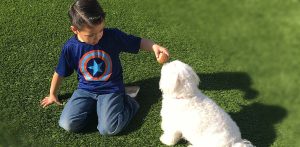
When homeowners feel disappointed, it’s often because:
-
They expected zero upkeep
-
They weren’t prepared for rinsing or brushing
-
They didn’t account for pet-related maintenance
(Optional second link)
You can reference:
Maintaining Your Artificial Grass: It’s Low Maintenance, Not No Maintenance
What “Didn’t Work” Usually Comes Down To
In most cases, when homeowners say artificial grass “didn’t work,” they’re describing one of three things:
-
Installation issues
-
Drainage or maintenance misunderstandings
-
Product mismatch for how the yard is used
Very rarely is the issue simply that artificial grass as a concept fails.
Final Thought
Artificial grass “not working” is usually less about the material itself and more about how the system was planned, installed, and maintained.
When homeowners understand what to expect — and how to avoid common pitfalls — artificial grass becomes a much more predictable and reliable solution.