

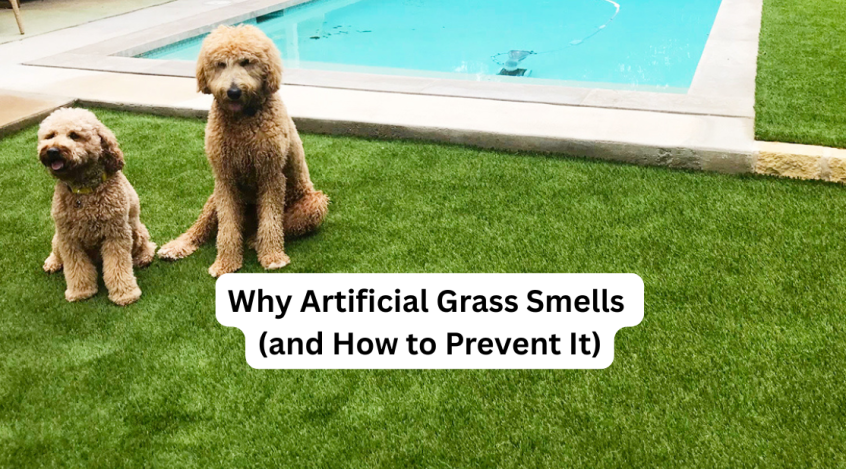
One of the most common concerns homeowners have about artificial grass — especially in pet-friendly yards — is odor.
If you’ve ever heard someone say artificial turf smells, it’s usually tied to a specific issue, not the material itself.
The good news is that odor is preventable when artificial grass is installed correctly and maintained properly. Understanding what causes smell — and how to avoid it — makes a big difference in long-term satisfaction.
Odor concerns are often connected to broader installation and drainage issues. For a full breakdown of common artificial grass problems and how to avoid them, see our guide to common problems with artificial grass and how to avoid them.
What Causes Artificial Grass to Smell?
Artificial grass itself does not produce odor. When smell occurs, it’s usually due to buildup beneath or within the turf system.
The most common causes include:
-
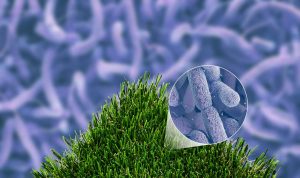
Pet urine that isn’t fully flushed through
-
Poor drainage or base preparation
-
Organic debris trapped in the turf
-
Infrequent rinsing or cleaning
In most cases, odor is not a product issue — it’s a system or maintenance issue.
Why Pet Areas Are More Prone to Odor
In yards with dogs, urine is the primary source of odor concerns.
When liquid doesn’t drain efficiently, it can:
-
Sit in the turf backing
-
Collect in the base layer
-
Create lingering smell over time
This is why pet-friendly artificial grass systems are designed with fast drainage and easy cleaning in mind.
The Role of Drainage
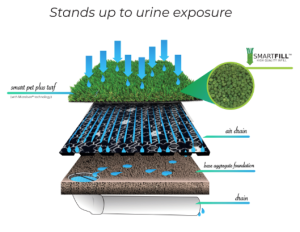
Drainage is the most important factor in preventing artificial grass odor.
A properly installed system should:
-
Allow liquid to pass through the turf quickly
-
Move moisture into a well-prepared base
-
Prevent pooling beneath the surface
When drainage is insufficient, even small amounts of buildup can lead to noticeable odor.
How to Prevent Artificial Grass Odor
Preventing odor is straightforward when the system is designed correctly and maintained consistently.
Basic steps include:
-
Rinse pet areas regularly
-
Remove debris like leaves and organic matter
-
Use a turf-safe cleaner when needed
-
Ensure drainage remains clear and functional
For most homeowners, these steps are quick and easy to incorporate into routine yard care.
Recommended Cleaner for Pet Turf
For deeper cleaning, especially in pet areas, using a turf-safe product can help maintain freshness.
One commonly used option is Simple Green Outdoor Odor Eliminator, which is designed to break down odor-causing compounds in outdoor environments.
? You can learn more here:
https://simplegreen.com/products/pet-outdoor-odor-eliminator/
This type of cleaner works best when paired with proper rinsing and drainage — not as a replacement for them.
Antimicrobial Protection: An Added Layer
Some residential turf systems integrate antimicrobial technology, such as Microban®, into the turf backing or fibers.
This type of protection is designed to help inhibit the growth of bacteria on the surface over time. 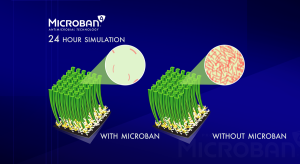
It’s important to note that:
-
Antimicrobial protection does not replace cleaning
-
It does not fix drainage issues
-
It works best as part of a complete turf system
When combined with proper installation and maintenance, it can provide an additional layer of support in keeping the surface clean.
When Odor Becomes a Problem
If artificial grass develops persistent odor, it’s usually a sign of:
-
Drainage issues
-
Improper base preparation
-
Lack of maintenance
-
Heavy use without proper rinsing
Addressing the root cause — rather than masking the smell — is key to long-term results.
Final Thought
Artificial grass should not smell when it’s installed and maintained properly.
Most odor concerns come down to drainage, cleaning habits, and how the turf system was designed. When those elements are handled correctly, artificial grass can remain clean, usable, and low-maintenance — even in pet-friendly households.